When you’re looking to flood your living space with natural light while keeping the outdoors at arm’s length, the most effective solution is a high‑performance sliding patio door. Modern sliding doors combine sleek aesthetics, superior insulation, and seamless operation, making them the top choice for homeowners who want both style and energy savings. By understanding the key features, installation nuances, and maintenance tips, you can select a door that enhances comfort, boosts resale value, and reduces utility bills.
Why Sliding Patio Doors Outperform Traditional Hinged Doors
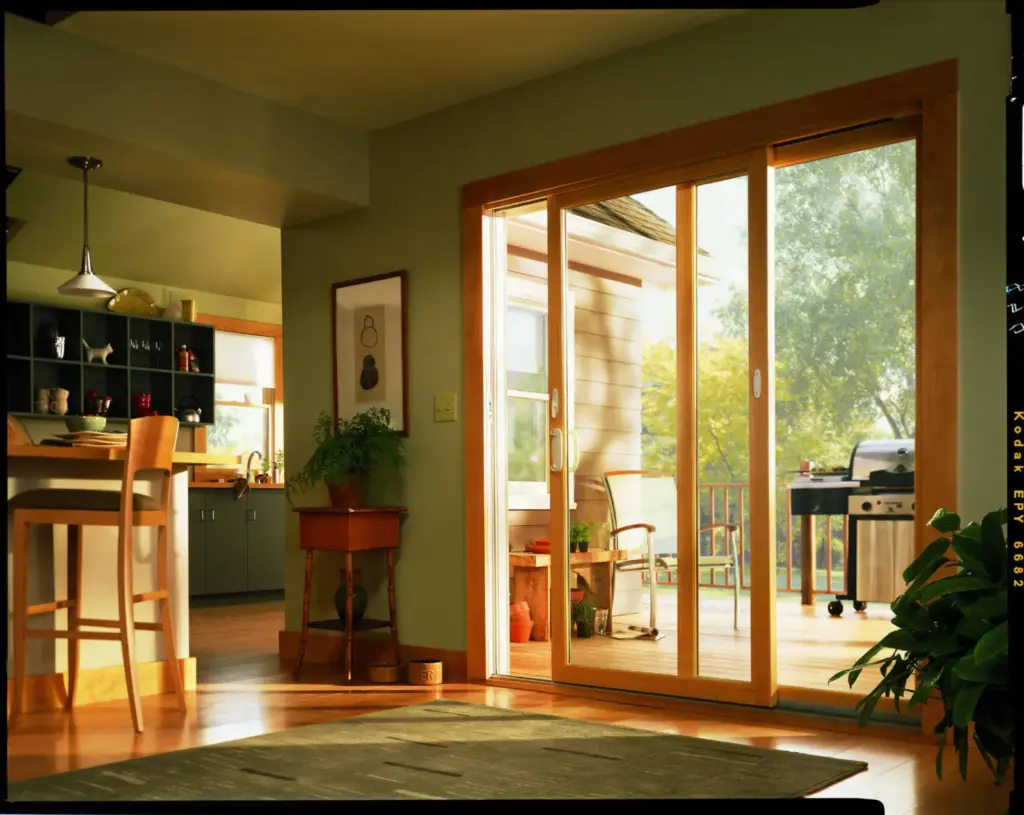
Unlike hinged doors that swing inward or outward, sliding patio doors glide on a track, opening up an entire wall to the exterior. This design offers several practical advantages:
- Space efficiency: No swing radius means you can place furniture closer to the wall without sacrificing access.
- Enhanced natural lighting: Floor‑to‑ceiling glass panels admit up to 80 % more daylight, creating a brighter interior and reducing reliance on artificial lighting.
- Improved airflow: Many models feature a “ventilation lock” that allows the door to stay partially open for cross‑ventilation while maintaining security.
- Energy performance: Modern units incorporate low‑E glass, argon‑filled cavities, and thermal break technology, achieving U‑values as low as 0.30 BTU/(hr·ft²·°F) – comparable to premium double‑pane windows.
Key Types of Sliding Patio Doors in 2026
Choosing the right system starts with understanding the variations available on the market today. Below are the most common configurations:
Table of Contents
- Why Sliding Patio Doors Outperform Traditional Hinged Doors
- Key Types of Sliding Patio Doors in 2026
- Standard Two‑Panel Slider
- Three‑Panel Multi‑Slide System
- Hybrid Slider‑Swing (French‑Slide)
- Evaluating Energy Efficiency and Insulation
- Choosing the Right Frame Material
- Installation: What to Expect
- 1. Precise Measurement and Layout
- 2. Structural Modifications (if needed)
- 3. Flashing and Weatherproofing
- 4. Frame Installation and Leveling
- 5. Track and Roller Assembly
- 6. Final Adjustments and Sealing
- Maintenance Practices to Extend Longevity
- Common Mistakes Homeowners Make
- Choosing the Wrong Size
- Neglecting Proper Flashing
- Opting for Cheapest Frame
- DIY Installation Without Experience
- Real‑World Case Study: Mid‑Century Modern Renovation
- Integrating Sliding Patio Doors with Your Home’s Exterior Envelope
- Future Trends to Watch in Sliding Patio Doors
- Frequently Asked Questions
- What is the average lifespan of a sliding patio door?
- Can I replace a sliding door with a pocket door without remodeling the wall?
- How do I improve security on a sliding patio door?
- Are sliding patio doors eligible for energy‑efficiency rebates?
- Do sliding doors affect indoor acoustics?
- Bottom Line: Selecting the Best Sliding Patio Door for Your Home
Standard Two‑Panel Slider
The classic design features one fixed panel and one operable panel that slides horizontally. It’s ideal for standard openings up to 8 ft wide and offers a cost‑effective entry point for most homes.
Three‑Panel Multi‑Slide System
For expansive openings, the three‑panel layout allows one or two panels to glide, creating a wide, unobstructed opening of up to 12 ft. This setup is popular in modern lofts and indoor‑outdoor living spaces.
Four‑Panel Pocket Door
When you need to completely hide the door when opened, pocket doors disappear into a concealed cavity within the wall. This solution maximizes usable floor space and delivers a clean, minimalist look.
Hybrid Slider‑Swing (French‑Slide)
A hybrid combines the sliding mechanism with a small hinged “French” panel that swings outward. It provides the flexibility of a traditional door for quick entry while retaining the large glass surface of a slider.
Evaluating Energy Efficiency and Insulation
Energy‑efficient sliding doors are essential for maintaining indoor comfort and minimizing heating or cooling costs. Look for the following performance markers:
- Low‑E (low emissivity) coatings: These microscopic metallic layers reflect infrared heat while allowing visible light to pass, reducing heat loss in winter and heat gain in summer.
- Argon or Krypton gas fills: Inert gases trapped between glass panes lower thermal conductivity, enhancing the overall R‑value.
- Thermal break frames: Materials such as vinyl or fiberglass incorporate a non‑conductive barrier between the interior and exterior frame sections, preventing heat transfer.
- Weatherstripping and proper sealing: High‑quality EPDM or silicone seals around the sash and track prevent drafts and moisture infiltration.
According to the U.S. Department of Energy (2025), homes equipped with ENERGY STAR‑rated sliding doors experience an average annual energy saving of 12–15 % compared to those with standard double‑pane units.
Choosing the Right Frame Material
The frame not only influences aesthetics but also dictates durability and maintenance requirements. Here’s a quick comparison of the most popular materials in 2026:
| Material | Pros | Cons |
|---|---|---|
| Vinyl | Low cost, excellent thermal performance, low maintenance | Limited color options, can warp in extreme heat |
| Aluminum (with thermal break) | Strong, slim profiles, modern look | Higher cost, requires quality thermal break to avoid condensation |
| Fiberglass | High durability, excellent insulation, resists warping | Premium price, limited suppliers |
| Wood (clad) | Classic appearance, can be painted or stained | Higher maintenance, potential for rot if not properly sealed |
Installation: What to Expect
A professional contractor familiar with patio door installation will follow a systematic process to ensure long‑term performance:
1. Precise Measurement and Layout
Accurate opening dimensions are measured to the nearest 1/8 in. The contractor verifies that the surrounding wall can support the door’s weight and checks for level and plumb.
2. Structural Modifications (if needed)
Older homes may require reinforcement of the header or addition of a steel support beam, especially for larger three‑panel systems.
3. Flashing and Weatherproofing
Self‑adhesive flashing tape and a waterproof membrane are installed around the rough opening to prevent water intrusion. Proper flashing is critical in regions with heavy rain or snow.
4. Frame Installation and Leveling
The door frame is set in place, shims are used to achieve perfect alignment, and the unit is secured with screws or bolts per the manufacturer’s specifications.
5. Track and Roller Assembly
High‑quality rollers glide on a stainless‑steel track, reducing friction and noise. Lubrication with silicone‑based spray ensures smooth operation for years.
6. Final Adjustments and Sealing
Adjustments to the rollers, latch, and hardware are made to achieve even weight distribution and a tight seal. Interior and exterior caulking completes the weatherproof envelope.
Maintenance Practices to Extend Longevity
Even the most durable sliding doors benefit from routine care:
- Clean the glass: Use a non‑abrasive glass cleaner and a soft microfiber cloth to avoid scratching the low‑E coating.
- Lubricate rollers and tracks: Apply a silicone spray every 12–18 months to maintain smooth motion.
- Inspect weatherstripping: Replace cracked or compressed seals to preserve energy efficiency.
- Check for condensation: Persistent interior fog on the glass may indicate a broken seal; contact a professional promptly.
- Re‑seal exterior joints: After a few years, reapply high‑quality exterior caulk to prevent water infiltration.
Common Mistakes Homeowners Make
Understanding pitfalls can save time and money:
Choosing the Wrong Size
Undersized doors restrict views and airflow, while oversized openings may require costly structural reinforcement. Always rely on a certified installer for accurate measurements.
Neglecting Proper Flashing
Skipping or improperly installing flashing leads to leaks, especially in rainy climates. A water‑resistant barrier is non‑negotiable.
Opting for Cheapest Frame
Low‑cost aluminum frames without thermal breaks can create condensation rings and reduce insulation, eroding the energy‑saving benefits.
DIY Installation Without Experience
Improper alignment can cause the door to bind, leading to premature wear on rollers and tracks. Professional installation ensures warranty compliance and optimal performance.
Real‑World Case Study: Mid‑Century Modern Renovation
A homeowner in Portland, OR, replaced a dated hinged entry with a three‑panel multi‑slide patio door to create an indoor‑outdoor lounge. The selected unit featured fiberglass frames, low‑E glass, and argon fill. After installation, the home’s heating bill dropped by 13 % according to utility data from Oregon Department of Energy (2025). The project also increased the property’s market value by an estimated $12,000, as noted in a recent appraisal report from Realtor.com (2026).
Integrating Sliding Patio Doors with Your Home’s Exterior Envelope
Sliding doors don’t exist in isolation; they interact with surrounding siding, roofing, and insulation. For a cohesive energy strategy, coordinate your door selection with the right siding material. Our ultimate guide to choosing the best siding for your house in 2026 provides detailed insight on pairing high‑performance doors with durable, low‑maintenance siding such as fiber‑cement or engineered vinyl.
Future Trends to Watch in Sliding Patio Doors
- Smart integration: Built‑in sensors that detect open/close status, temperature, and humidity can sync with home automation platforms like Apple HomeKit or Google Nest.
- Dynamic glazing: Electrochromic glass that adjusts tint based on sunlight intensity reduces glare and further improves energy performance.
- Zero‑gap pocket systems: Advanced track designs eliminate visible gaps when doors are fully retracted, offering a seamless wall appearance.
Frequently Asked Questions
What is the average lifespan of a sliding patio door?
With proper maintenance, most high‑quality units last 25–30 years. Fiberglass and vinyl frames typically outlast aluminum when exposed to harsh climates.
Can I replace a sliding door with a pocket door without remodeling the wall?
Only if the existing wall cavity is deep enough to accommodate the pocket. In many cases, additional framing work is required, making professional assessment essential.
How do I improve security on a sliding patio door?
Choose multi‑point locking systems, reinforced glass (laminated or tempered), and consider security bars or sensor‑linked alarms for added protection.
Are sliding patio doors eligible for energy‑efficiency rebates?
Many state and local utility programs offer rebates for installing ENERGY STAR‑rated doors. Check with your local energy provider or the DOE’s rebate finder for specific incentives.
Do sliding doors affect indoor acoustics?
Modern double‑pane units with laminated glass provide sound transmission class (STC) ratings of 30–35, reducing outside noise but not eliminating it entirely. Adding acoustic seal strips can improve performance.
Bottom Line: Selecting the Best Sliding Patio Door for Your Home
Investing in a high‑performance sliding patio door is a blend of design ambition and practical engineering. Prioritize low‑E glass, thermal break frames, and reputable hardware; align the door’s size and style with your architectural goals; and trust certified installers to handle flashing, sealing, and structural considerations. When executed correctly, a sliding patio door becomes a year‑round asset—delivering natural light, fresh air, energy savings, and a sophisticated visual statement that elevates both daily living and resale potential.
